If you’ve searched for the best probiotics for acne, weight loss, or gut health, you’ve probably seen just how overwhelming the advice can be.
Probiotics are linked to many areas of health, clearer skin, better digestion and even immune support, but knowing which ones actually work can feel confusing.
In this Heal How You Feel™ blog post, we dive into the best probiotics for acne, immune health, and beyond. Here we will answer your top questions about how probiotics work, when to take them, and how to choose the right one for you.
Interested in learning about other supplements for weight loss? Check out my recent blog – The Ultimate Guide to Berberine: Dosage for Weight Loss, Benefits, and More.
What Are Probiotics?
Before we dive into probiotic strains for acne, weight loss, gut health, and other conditions, it’s important that we understand the basics of probiotics.
Probiotics are live microorganisms, such as certain bacteria and yeasts, that can benefit your health when taken in the right amounts. They are found naturally in fermented foods, added to some products, and sold as supplements.
Probiotics mainly work in the gut microbiome, where they support a healthy balance of microorganisms, protect against harmful bacteria, and help with digestion and overall gastrointestinal function.
There are many different types of probiotics, and each has its own unique impact on the body.
How to Choose the Right Probiotic
When choosing a probiotic, keep in mind that not all products are the same. The benefits depend on the specific strain, dose, how the product is made, and your health condition. Here are a few things to look for:
- Strain name: Check the full name (genus, species, and strain), not just “Lactobacillus” or “Bifidobacterium.”
- Proven benefits: Look for strains that have been studied in people for the health issue you want to address.
- CFU count: Choose products that list the number of live microorganisms through the expiration date, not just at the time of manufacture. CFUs, or colony-forming units, are a way to measure the number of live microorganisms’ probiotic products are capable of growing and providing health benefits.
- Trusted brands: Select brands that use third-party testing to confirm the strains, CFU counts, and purity of their products. Three of the most common third party-testing organizations to look for include NSF International, USP, and ConsumerLab.
Because probiotic use is highly personalized and depends on your health, goals, and medical history, it’s best to work with a healthcare provider to find the right option for you.
Who Should Not Take a Probiotic?
While probiotics are generally safe for most healthy people, there are certain groups who should avoid them:
- Preterm infants: Probiotics may increase the risk of serious infections and are not considered safe for this group.
- Seriously ill individuals: People in the hospital or intensive care may face higher risks of bloodstream infections from probiotics.
- Those with weakened immune systems: Probiotics can sometimes cause harmful infections in people with compromised immunity.
- People with central venous catheters or feeding tubes: Rare cases of infections have been linked to probiotic use in these situations.
For everyone else, probiotics are usually well tolerated, but it’s always best to check with a healthcare professional before starting them. Because some products have been found to contain microorganisms not listed on the label, choosing brands that use third-party testing can provide extra reassurance about safety and accuracy.
Side Effects of Taking Probiotics
Most people tolerate probiotics well, but like any supplement, they can have side effects or risks in certain groups. In healthy people, side effects are usually mild, but there are important things to be aware of:
- Digestive changes: Some people may notice temporary gas or bloating when they first start probiotics.
- Infections in vulnerable groups: Rare but serious infections have been reported in preterm infants, people who are seriously ill, or those with weakened immune systems
Should You Take a Probiotic with Food?
If you’re wondering “should you take a probiotic with food?”, I have an answer for you!
For the best results, take your probiotic with a meal or right before eating, especially if the meal contains a little fat.
This helps more of the good bacteria survive the trip through your stomach so they can reach your lower digestive tract where they’re most effective.
When Should You Take a Probiotic?
The most effective time of day to take your probiotic is the time you’ll remember consistently. What matters most is making it a daily habit to get the best results.
If you can take it with or right before a meal that contains some fat, that would be best.
Can You Take Antibiotics and Probiotics at the Same Time?
Yes, you can take probiotics while you’re on antibiotics, but NOT at the same time of day. You should take your probiotic a few hours apart from your antibiotic dose to give the probiotic bacteria a better chance of surviving.
Antibiotics can disturb the balance of bacteria in your gut, which sometimes leads to diarrhea, and research shows that certain probiotic strains, like Lactobacillus rhamnosus GG (LGG) and Saccharomyces boulardii, can reduce the risk of antibiotic-associated diarrhea by nearly half.
For the best chance of benefit, start probiotics within the first couple of days of beginning antibiotics and continue for the full course.
Should You Rotate Probiotics?
Rotating probiotics, or switching between different strains, may have potential benefits by exposing your gut to a wider variety of helpful bacteria.
Most of the research on probiotics points to the importance of supporting microbial diversity, and alternating strains can be one way to encourage that. By rotating, you may help ensure you’re introducing new types of bacteria that each play different roles in the gut, which could provide a broader range of health effects.
Researchers believe your body may “get used to” a single probiotic over time, which is why alternating strains could help ensure you’re introducing new types of bacteria that have different benefits for the body. This approach might support microbial diversity and provide different health effects depending on the strain.
While the idea makes sense and is gaining interest, there’s still limited scientific research to back it up. More studies are needed, but it’s a promising area to watch as we learn more about how probiotics work. You can work with your provider to find an alternating schedule that may work for you.

Probiotics and Microbiome Diversity
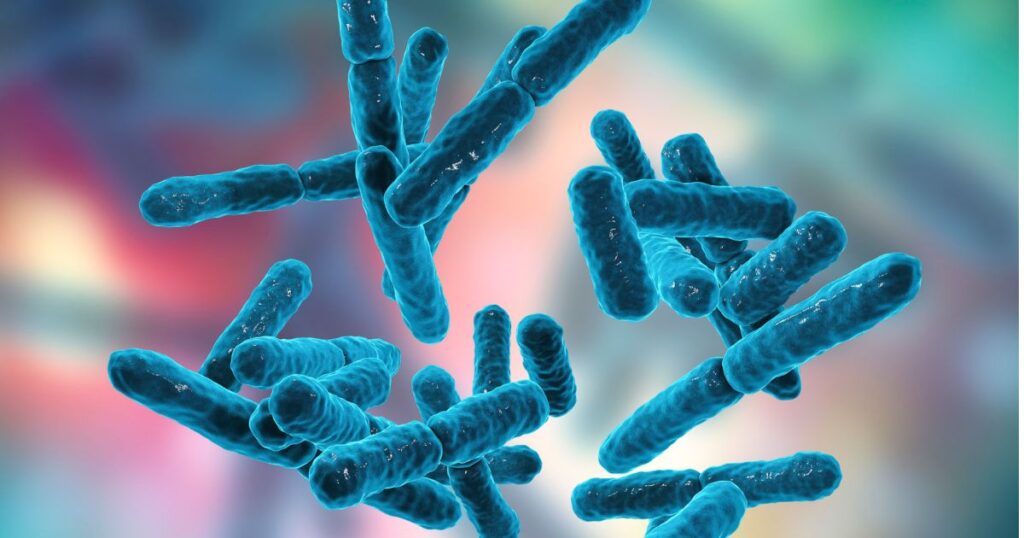
As I mentioned earlier, probiotics aid digestion by maintaining a diverse gut bacteria.
A healthy, diverse gut microbiome is key for digestion, immunity, and overall health.
Here’s what the research shows:
- Probiotics can help restore balance when your gut bacteria have been disrupted, such as after illness or antibiotics.
- A more diverse (meaning different strains) gut microbiome may protect against harmful bacteria taking over.
- Low microbial diversity has been linked to certain digestive issues and chronic conditions.
- Probiotics show promise in supporting diversity, but more research is still needed to fully understand how they work.
- Research consistently shows that diversity in the gut microbiome is a key marker of gut and overall health, with a wider variety of bacteria linked to better digestion, stronger immunity, and reduced risk of chronic disease.
Because benefits can vary depending on the strain, working with a nutrition professional can help you choose the probiotic that’s the best fit for your needs.
Probiotics Vs. Prebiotics
People are often confused about the difference between probiotics and prebiotics. Let me break it down for you:
- Probiotics: Live “good” bacteria that can support gut health when consumed in adequate amounts (found in foods like yogurt, kefir, and supplements).
- Prebiotics: Non-digestible fibers that feed the good bacteria already living in your gut.
You need both for a healthy, diverse gut microbiome.
Strain Specificity for Different Conditions
Different probiotic strains have unique effects, and research shows that their benefits are often strain-specific, meaning the right strain must be chosen for the specific condition being addressed. This is when the fun begins!
The remainder of the blog will highlight how to choose the best probiotics for acne, weight loss, gut health, and other conditions and health goals.
Here is Your List of Best Probiotics for Different Conditions
Best Probiotics for Acne
Looking for the best probiotics for acne can be confusing! So, here’s a simple breakdown of the most recent research.
Research suggests that certain probiotics may help improve acne, especially mild to moderate cases. In one clinical trial, a probiotic containing Lacticaseibacillus rhamnosus was shown to reduce non-inflammatory acne lesions and improve overall acne severity compared to a placebo.
While more studies are still needed, probiotics like L. rhamnosus appear to be a safe and promising option to support clearer skin when used alongside standard acne care.

Best Probiotics for Immune Support
Certain probiotic strains have been shown to give your immune system an extra boost. Research highlights a few standouts:
- Lactobacillus strains like L. rhamnosus GG, L. casei, and L. reuteri can strengthen your gut defenses and may even help shorten the duration of common infections like diarrhea in kids.
- Bifidobacterium strains such as B. lactis HN019 and B. breve M-16V support immune balance, reduce inflammation, and help your body respond better to everyday immune challenges.
- Saccharomyces boulardii, a beneficial yeast, is often used to protect against gut infections that can happen after antibiotics.
- Multi-strain blends (like combinations of Lactobacillus, Bifidobacterium, and Streptococcus strains) may offer the broadest support, especially for people looking to improve gut and whole-body immune resilience.
Choosing a well-studied strain mentioned above or a trusted multi-strain formula is your best bet for immune support.
Best Probiotics for Weight Loss
Some research suggests probiotics may play a role in supporting weight management. In recent studies, people taking certain probiotics saw small but meaningful improvements in body weight, waist size, and body fat.
The best results came from probiotics that combined strains from both Lactobacillus and Bifidobacterium, rather than using just one strain alone.
Specific strains like Bifidobacterium animalis subsp. lactis 420 and Lactobacillus sakei have shown promise, but results aren’t always consistent.
While probiotics aren’t a quick fix for weight loss, they may help support your efforts when paired with healthy lifestyle habits. More research is still needed to know exactly which strains and doses work best.
Best Probiotics for IBS and IBD
Probiotics can help support a diverse gut microbiome, which plays an important role in maintaining overall digestive health. Here’s a breakdown on the research on IBS and IBD:
- IBS (Irritable Bowel Syndrome): Some people with IBS notice less bloating, pain, or irregularity when taking probiotics. The results vary a lot from person to person, but blends that contain both Lactobacillus and Bifidobacterium strains may be the most helpful.
- Ulcerative Colitis (a type of IBD): A few studies suggest probiotics, when taken along with standard medications, might help calm mild to moderate symptoms.
- Crohn’s Disease (another type of IBD): Probiotics have not been shown to help with Crohn’s disease.
Probiotics may be worth trying for IBS and possibly for ulcerative colitis, but they are not a replacement for medical treatment. For Crohn’s disease, there’s no evidence of benefit yet.
Best Probiotics for Antibiotic-Associated Diarrhea
When you take antibiotics, they can sometimes upset the natural balance of bacteria in your gut, leading to antibiotic-associated diarrhea. Research shows that probiotics may help lower this risk by restoring healthy bacteria.
- Lactobacillus rhamnosus GG (LGG): One of the most well-studied strains, shown to cut the risk of antibiotic-associated diarrhea in half in some studies.
- Saccharomyces boulardii (S. Boulardii): A beneficial yeast that has also been proven effective in preventing diarrhea during and after antibiotic use.
If you decide to use a probiotic for this purpose, look for one that specifically lists LGG or S. boulardii on the label.
Best Probiotics for Brain and Mood
Probiotics don’t just support digestion, some are even being studied for their effects on the brain and mood. These are often called “psychobiotics” because they may help with things like stress, focus, memory, and overall mental well-being.
Research suggests that certain strains, especially from the Lactobacillus and Bifidobacterium families, could play a role in supporting brain health. For example, Bifidobacterium breve has been linked to improved memory, while Lactobacillus plantarum may help protect against age-related cognitive changes.
While more research is needed, early results show that the right probiotic strains may be a helpful tool for both gut and brain health.
Best Probiotics for Acne, Weight Loss, and Gut Health: Final Thoughts
Probiotics can play a role in supporting clearer skin, a stronger immune system, better digestion, and even weight management, but the benefits are highly strain-specific and vary from person to person. While research continues to grow, what we know so far shows that choosing the right strain for your unique health needs is key. Because gut health is so connected to overall well-being, it’s worth getting personalized guidance instead of relying on trial and error. If you’re ready to find out which probiotic approach is best for you, I can help you create a plan tailored to your body, your goals, and your long-term health. Learn more about how we can work together here.
Want more posts like these?
Have them sent to your inbox each time I publish.
Let's Stay Connected
Sign up for my newsletter and I'll also send you my free 8-day program to help you "Tame the Flame" of chronic inflammation so can improve your energy, clarity, joint pain, weight, digestive issues and more!